SURGICAL MANAGEMENT OF CYSTOLITHS BY CYSTOTOMY IN A GOLDEN TERRIER DOG UNDER RESOURCE-LIMITED FIELD CONDITIONS: A CASE REPORT
Keywords:
Cystolith, Dysuria, Female dog, Hematuria, Incontinence, SerratiopeptidaseAbstract
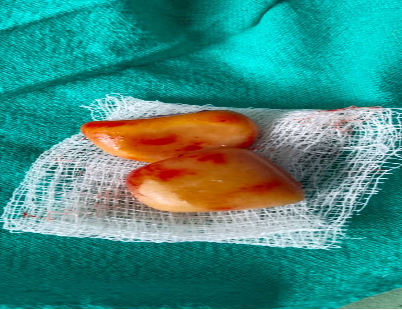
A four-year-old Golden Terrier (mixed breed) female dog was presented to the Regional Veterinary Hospital & Epidemiology Center with the complaint of urinary incontinence, severe hematuria, dysuria, and stranguria. Feeding habits were reported to be normal. Clinical examination was performed and all the vital physiological parameters like conjunctival mucous membrane, pulse rate, and rectal temperature were normal. The animal exhibited pain upon palpation of the lower abdominal region. The dog's condition was confirmed as Cystolith through radiographic imaging (X-ray), with technical assistance from the Human General Hospital. The dog remained clinically affected for over 15 months following initial presentation with pollakiuria and dysuria. Cystotomy was performed to remove the two Cystoliths detected in the urinary bladder lumen. Cystoliths were triangular and square prism-shaped, weighing 11g and 13 g, respectively. Post-operatively, the dog was treated with antibiotics: Enrofloxacin (5 mg per kg body weight, b.i.d orally for 5 days); Chlorpheniramine maleate (0.4mg/kg or 4mg total dose, b.i.d orally), and Prednisolone (1mg/kg or 10mg total dose, orally, o.d). The post-surgical follow-up on the 7th day showed the dog made an uneventful recovery except for a minor swelling over the incision line, which subsided after administration of Serratiopeptidase tablet (10mg, total dose, orally). This case illustrates the prolonged discomfort endured by the animal due to the delayed diagnosis of the condition in the limited veterinary setting especially due to lack of point-of-care diagnostic facilities. However, the uneventful recovery of the affected dog indicates that cystotomy is the choice of medical interventions to treat cystolithiasis, regardless of the degree of affection, in dogs.