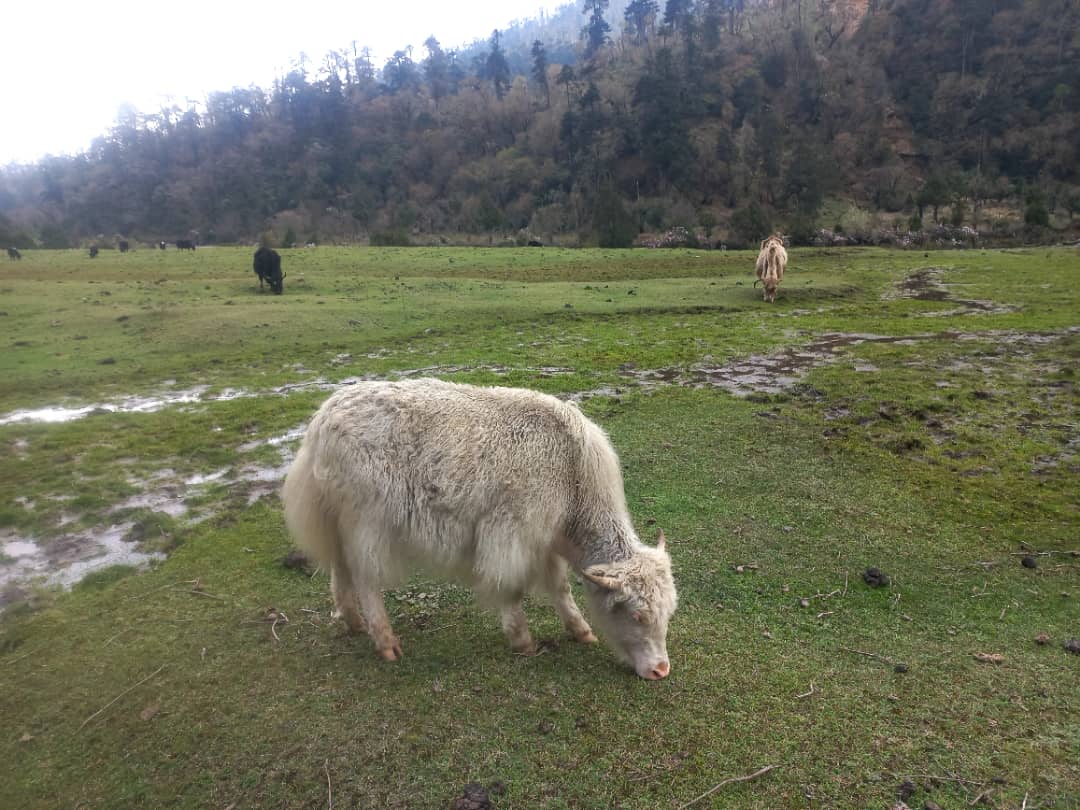
ASSESSING THE TRANSITION TOWARD REPRODUCTIVE TECHNOLOGIES: AWARENESS, ACCEPTANCE, AND CONSTRAINTS OF ARTIFICIAL INSEMINATION AMONG YAK HERDERS IN BUMTHANG, BHUTAN
Keywords:
Artificial Insemination, Awareness, Bhutan, Reproductive technologies, Yak herdersAbstract
This quantitative cross‑sectional survey investigated awareness, acceptance, and barriers to artificial insemination (AI) adoption among 36 yak herders from Chhoekhortoe and Dhur chiwogs under Chhoekhor Gewog, Bumthang Dzongkhag, Bhutan. Although AI has the potential to enhance genetic merit, productivity, and disease control in yak populations, its use in Bhutan’s highland pastoral systems remains restricted and poorly understood. The purpose of this study was to evaluate the level of awareness, willingness to accept, and perceived obstacles to AI adoption among yak herders in Bumthang Dzongkhag. A structured questionnaire was used to administer a quantitative cross‑sectional survey to 36 yak herders, and data were analyzed using descriptive statistics together with non‑parametric tests, including the one‑sample Wilcoxon signed‑rank test, Fisher’s exact test, and the Mann‑Whitney U test, to assess location‑specific differences and respondents’ perceptions. The proportion of respondents who were aware of AI was 52.8%. Location had a significant influence on awareness (p = 0.005), with herders in Chhoekhortoe showing significantly higher awareness (72.7%, n=22) than those in Dhur (21.4%, n=14). Despite this variation, 91.7% of herders expressed willingness to adopt AI. The main perceived benefit was genetic improvement, followed by improved disease resistance, increased productivity, and reduced inbreeding. Despite the benefits of AI in yaks, three key challenges to adoption were identified, with transportation constraints emerging as the most significant barrier, followed by difficulties in the management of breeding bulls and persistent cultural preferences favoring natural mating practices. These findings indicate that AI adoption in yak farming is in an incipient but promising phase, with high acceptance despite heterogeneous awareness and logistical constraints. Enhancing adoption requires strengthening extension services, improving infrastructure for AI delivery in remote locations, and implementing targeted awareness campaigns, particularly in less‑exposed communities. In Bhutan, promoting AI in yak production systems may contribute to improved productivity and enhanced genetic diversity.