COMMUNITY KNOWLEDGE, ATTITUDES, AND PRACTICES REGARDING RABIES: A CROSS-SECTIONAL STUDY IN SARPANG DZONGKHAG
Keywords:
Knowledge, NADPM-RCP, Outbreak, Rabies, SarpangAbstract
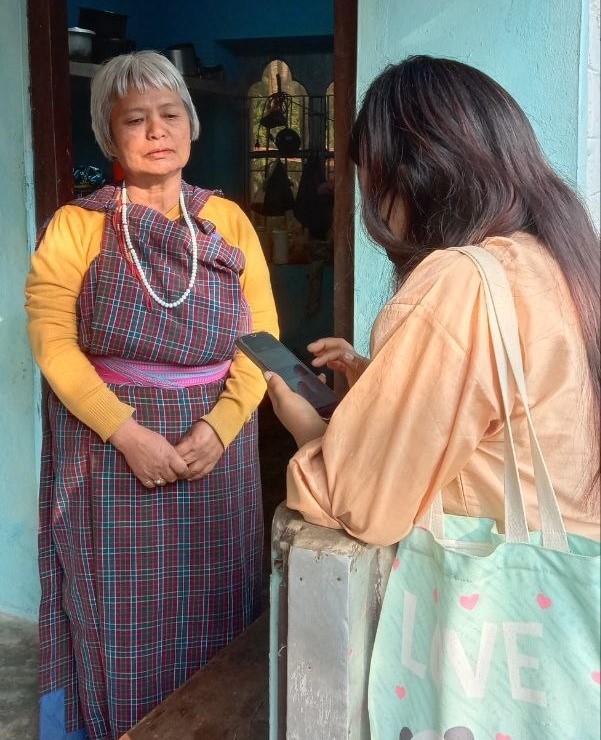
Despite global progress in prevention, rabies continues to cause preventable deaths in both humans and animals worldwide. In Bhutan, the disease remains a significant public health concern in high-risk regions such as Sarpang Dzongkhag, where recent outbreaks have resulted in animal infections and a human fatality. This study aimed to assess the knowledge, attitudes, and practices (KAP) related to rabies prevention and control among residents of Sarpang. A community-based cross-sectional study was conducted over a one-month period, employing a simple random sampling technique among 294 residents from Tareythang, Chhuzaggang, and Umling Gewogs. Data were collected using a structured questionnaire and analyzed using univariate binary logistic regression and Pearson’s Chi-square test to examine associations between socio-demographic variables and KAP outcomes. Results showed that 86.4% of respondents possessed adequate knowledge, 99.3% demonstrated positive attitudes, and 90.5% reported good preventive practices. Education level, age, profession, and history of animal bites were significantly associated with higher levels of knowledge (p < 0.05). However, despite the overall high level of awareness, 45.9% of respondents were unaware that rabies is 100% fatal, some relied on traditional treatment methods, and 56.8% had not participated in any rabies awareness programs. These findings underscore the need for strengthened, targeted community-based interventions to enhance rabies prevention and control efforts. Moreover, the findings identify key gaps to guide policy and programs in Bhutan, particularly in strengthening risk communication, community engagement, and equitable access to rabies prevention services in high-risk areas.
Downloads
Published
Issue
Section
Categories
License
Copyright (c) 2026 BJAS

This work is licensed under a Creative Commons Attribution 4.0 International License.